

Dyslexia and Executive Functioning Challenges: Understanding the Connection
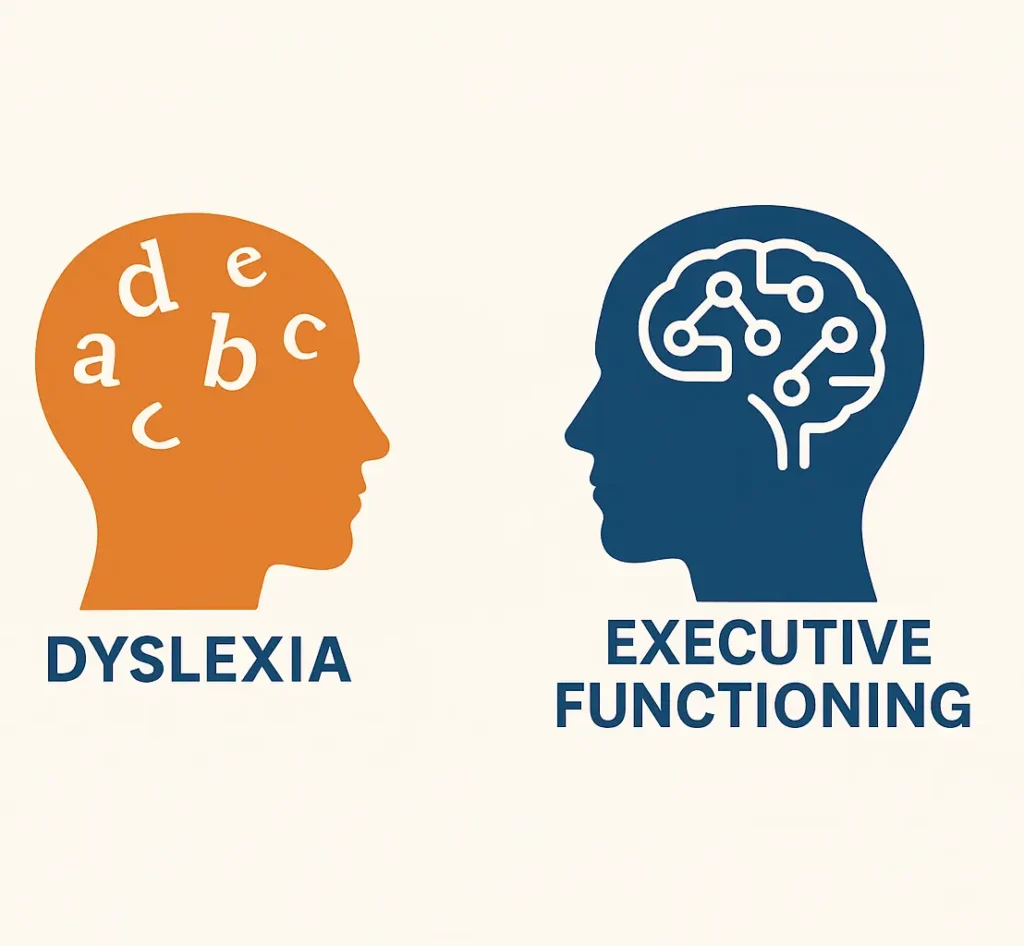
Dyslexia, a common learning difference affecting approximately 10-15% of students, is best known for impacting reading, spelling, and writing abilities. However, many people are unaware that dyslexia can also influence executive functioning skills—critical cognitive processes like planning, organization, working memory, and self-regulation. Understanding the connection between dyslexia and executive functioning challenges can help educators and parents better support students in managing their unique learning needs. What Are Executive Functioning Skills? Executive functioning refers to a set of cognitive skills that help individuals manage tasks, set goals, and monitor their own behaviors. These skills are crucial for success in academic settings, where students must organize assignments, follow directions, and stay focused. Strong executive functioning abilities allow students to keep track of information, regulate impulses, and adjust strategies as needed. For students with dyslexia, however, weaknesses in executive functioning can create additional barriers to learning and completing daily tasks. The Link Between Dyslexia and Executive Functioning Research shows that students with dyslexia often experience challenges with executive functioning, particularly in areas like working memory, organization, and task initiation. For example, working memory—the ability to hold and manipulate information for short periods—is essential for reading comprehension and multi-step problem-solving. Because dyslexia affects how students process language, many find it difficult to retain and organize information in real time, which impacts their ability to follow instructions or remember key details. Organizational skills are another area where students with dyslexia may struggle. They might find it challenging to manage materials, keep track of deadlines, or prioritize assignments, which can lead to missing homework or feeling overwhelmed by projects. Task initiation, or the ability to start tasks promptly, can also be difficult, as students with dyslexia may feel daunted by reading-heavy assignments or lengthy written work. Strategies for Supporting Students with Dyslexia Although dyslexia and executive functioning challenges can make school more difficult, there are effective strategies to help students succeed: 1. Provide Visual Supports: Visual aids, such as charts, timelines, or color-coded schedules, help students organize information and manage tasks. Visual organizers can break down multi-step assignments into manageable parts, making it easier for students to complete tasks without getting overwhelmed. 2. Use Assistive Technology: Tools like text-to-speech software, digital planners, and audio recordings can support working memory and reading comprehension. These tools help reduce cognitive load, allowing students to focus on the content rather than decoding text or memorizing details. 3. Encourage Checklists and Routines: Creating daily checklists or establishing consistent routines can aid in task initiation and organization. Routines help students develop a predictable structure, which can reduce stress and make academic tasks more manageable. 4. Break Down Assignments: Breaking assignments into smaller, sequential steps gives students a clearer sense of how to proceed. This approach not only helps students with organization but also makes challenging tasks feel less intimidating. 5. Practice Self-Monitoring: Teaching students to set small, realistic goals and reflect on their progress can improve self-regulation and motivation. Self-monitoring builds awareness and independence, helping students recognize when they’re succeeding and when they need to adjust their strategies. Final Thoughts Students with dyslexia often face unique executive functioning challenges that can make learning even more demanding. However, with targeted strategies and support, these students can build essential skills for academic success and beyond. By recognizing the link between dyslexia and executive functioning, educators and parents can better understand and address the comprehensive needs of these learners, creating a more inclusive and empowering educational
Dyslexia and Executive Functioning Challenges: Understanding the Connection

Dyslexia, a common learning difference affecting approximately 10-15% of students, is best known for impacting reading, spelling, and writing abilities. However, many people are unaware that dyslexia can also influence executive functioning skills—critical cognitive processes like planning, organization, working memory, and self-regulation. Understanding the connection between dyslexia and executive functioning challenges can help educators and parents better support students in managing their unique learning needs. What Are Executive Functioning Skills? Executive functioning refers to a set of cognitive skills that help individuals manage tasks, set goals, and monitor their own behaviors. These skills are crucial for success in academic settings, where students must organize assignments, follow directions, and stay focused. Strong executive functioning abilities allow students to keep track of information, regulate impulses, and adjust strategies as needed. For students with dyslexia, however, weaknesses in executive functioning can create additional barriers to learning and completing daily tasks. The Link Between Dyslexia and Executive Functioning Research shows that students with dyslexia often experience challenges with executive functioning, particularly in areas like working memory, organization, and task initiation. For example, working memory—the ability to hold and manipulate information for short periods—is essential for reading comprehension and multi-step problem-solving. Because dyslexia affects how students process language, many find it difficult to retain and organize information in real time, which impacts their ability to follow instructions or remember key details. Organizational skills are another area where students with dyslexia may struggle. They might find it challenging to manage materials, keep track of deadlines, or prioritize assignments, which can lead to missing homework or feeling overwhelmed by projects. Task initiation, or the ability to start tasks promptly, can also be difficult, as students with dyslexia may feel daunted by reading-heavy assignments or lengthy written work. Strategies for Supporting Students with Dyslexia Although dyslexia and executive functioning challenges can make school more difficult, there are effective strategies to help students succeed: 1. Provide Visual Supports: Visual aids, such as charts, timelines, or color-coded schedules, help students organize information and manage tasks. Visual organizers can break down multi-step assignments into manageable parts, making it easier for students to complete tasks without getting overwhelmed. 2. Use Assistive Technology: Tools like text-to-speech software, digital planners, and audio recordings can support working memory and reading comprehension. These tools help reduce cognitive load, allowing students to focus on the content rather than decoding text or memorizing details. 3. Encourage Checklists and Routines: Creating daily checklists or establishing consistent routines can aid in task initiation and organization. Routines help students develop a predictable structure, which can reduce stress and make academic tasks more manageable. 4. Break Down Assignments: Breaking assignments into smaller, sequential steps gives students a clearer sense of how to proceed. This approach not only helps students with organization but also makes challenging tasks feel less intimidating. 5. Practice Self-Monitoring: Teaching students to set small, realistic goals and reflect on their progress can improve self-regulation and motivation. Self-monitoring builds awareness and independence, helping students recognize when they’re succeeding and when they need to adjust their strategies. Final Thoughts Students with dyslexia often face unique executive functioning challenges that can make learning even more demanding. However, with targeted strategies and support, these students can build essential skills for academic success and beyond. By recognizing the link between dyslexia and executive functioning, educators and parents can better understand and address the comprehensive needs of these learners, creating a more inclusive and empowering educational experience.
Working Memory and ADHD: Helping Children Overcome Learning Challenges

Working memory is a fundamental cognitive skill that plays a key role in learning, problem-solving, and everyday functioning. Often described as a mental “workspace,” working memory allows us to hold and manipulate information temporarily. For children, this skill is essential in classroom settings for tasks like following multi-step instructions, solving math problems, and remembering parts of a story. However, children with ADHD often face significant challenges with working memory, which can impact their academic performance and daily interactions. Understanding the relationship between working memory and ADHD can help educators and parents support these children more effectively. How ADHD Affects Working Memory ADHD, or Attention-Deficit/Hyperactivity Disorder, is a neurodevelopmental disorder affecting millions of children worldwide. It is characterized by symptoms like inattention, impulsivity, and, in some cases, hyperactivity. One lesser-known but critical aspect of ADHD is its impact on executive functioning, particularly working memory. Research indicates that children with ADHD often have deficits in working memory, making it difficult to retain information over short periods, especially when multitasking or handling complex tasks. For example, a child with ADHD might struggle to remember the steps in a math problem or follow a sequence of instructions given by a teacher. These challenges can create frustration and can often lead to a cycle of repeated mistakes or incomplete work. A study published in the Journal of Clinical Child and Adolescent Psychology found that children with ADHD performed significantly lower on working memory tasks than their peers without ADHD. This gap in working memory can be a major contributor to academic struggles, as well as difficulties with organization, focus, and following directions. In fact, working memory deficits are one of the most consistent cognitive challenges observed in children with ADHD, which suggests the need for targeted strategies to help these students succeed. Strategies to Support Working Memory in Children with ADHD While working memory deficits can be challenging, there are effective strategies that parents, teachers, and caregivers can use to support children with ADHD. Here are a few evidence-based methods: 1. Break Down Instructions: Children with ADHD benefit from receiving instructions in smaller, manageable parts. Instead of giving a long list of directions, break tasks down into single steps, allowing the child to complete one before moving on to the next. Visual cues, like numbered checklists, can help as well. 2. Use Visual Supports: Visual aids, such as diagrams, charts, and written instructions, can serve as external memory aids. These tools reduce the cognitive load on working memory by giving children a reference point, which helps them remember the steps needed to complete a task. 3. Practice Memory Games: Activities that specifically target working memory, such as matching games, number recall, or memory puzzles, can help strengthen this skill. While they won’t eliminate working memory challenges, consistent practice can gradually improve recall and cognitive flexibility. 4. Encourage Repetition and Review: Repeating information and reviewing key concepts regularly can help reinforce learning and support working memory. For instance, after reading a passage, ask children to summarize what they remember, which helps strengthen recall. 5. Use Technology as a Tool: Apps and digital tools designed for organizing tasks and tracking progress can be especially helpful for children with ADHD. Reminders, alarms, and digital checklists help offload some of the demands on working memory, allowing children to focus on completing tasks without needing to remember every detail. Final Thoughts Children with ADHD may face unique challenges with working memory, but with the right strategies and support, they can improve their academic performance and reduce frustration. Educators and parents can make a significant difference by using simple techniques to reduce cognitive load and reinforce memory skills. By fostering a supportive learning environment and using targeted strategies, we can help children with ADHD navigate their daily challenges and build a foundation for lifelong learning success.
Understanding Executive Functioning Skills: Key to Academic and Life Success

Executive functioning skills are often described as the “management system” of the brain, helping individuals organize, plan, and complete tasks effectively. These skills encompass a range of cognitive processes—like working memory, flexible thinking, and self-control—that allow people to regulate their behaviors and emotions in order to achieve goals. For students, strong executive functioning skills are essential for academic success, personal growth, and future career success. In fact, research highlights the importance of executive functioning as an indicator of a student’s ability to thrive, both inside and outside the classroom. What Are Executive Functioning Skills? Executive functioning skills typically include three core components: 1. Working Memory: The ability to hold information in mind while using it to complete a task. For students, working memory is essential for activities like solving math problems, following multi-step instructions, or remembering the steps in a science experiment. 2. Cognitive Flexibility: Also known as flexible thinking, this skill allows students to shift their thinking or approach to problems when necessary. Cognitive flexibility is critical when students encounter challenges, as it helps them adapt to new information or consider alternative solutions. 3. Inhibitory Control: This skill involves self-regulation—suppressing impulses, ignoring distractions, and maintaining focus. In the classroom, inhibitory control is necessary for listening attentively, waiting one’s turn, and resisting temptations that could disrupt learning. Why Are Executive Functioning Skills Important? Studies show that executive functioning is strongly linked to academic success. According to research published by the National Institutes of Health (NIH), students with well-developed executive functioning skills tend to perform better in school across various subjects. For example, a study of elementary students found that working memory was a significant predictor of reading comprehension and math performance. Similarly, cognitive flexibility has been shown to enhance problem-solving skills, while inhibitory control supports focus and persistence. In the long term, strong executive functioning skills can have a lasting impact. According to a study from the University of Pittsburgh, children with better executive functioning skills at age 5 were more likely to achieve higher levels of education and income by their 30s, highlighting the role these skills play in lifelong success. The Challenges and Prevalence of Executive Functioning Deficits Not all students develop executive functioning skills at the same rate, and many struggle with these abilities. In fact, it’s estimated that as many as 10-15% of students may have executive functioning deficits, which can significantly impact their academic performance and social interactions. For example, students with ADHD often experience difficulties with executive functioning, particularly in areas like attention regulation and impulse control. These students may struggle with tasks like completing assignments on time, organizing materials, and maintaining focus during lessons. A lack of executive functioning skills doesn’t just affect academics—it also impacts social and emotional development. Students with weaker executive functioning skills may struggle with managing their emotions, leading to issues with peer relationships, stress, and even anxiety. According to a study from the American Psychological Association, children with low executive functioning skills are more likely to experience social challenges and face difficulties adjusting to school environments. Supporting the Development of Executive Functioning Skills Fortunately, executive functioning skills can be strengthened with practice, guidance, and supportive environments. Here are some evidence-based strategies to help students develop these skills: 1. Break Down Tasks: For students who struggle with organization, breaking down large tasks into smaller, manageable steps can make projects feel less overwhelming. This strategy supports working memory and helps students approach tasks systematically. 2. Use Visual Supports: Visual aids, like checklists or graphic organizers, can help students keep track of steps and reduce cognitive load. Research shows that visual tools are particularly effective in supporting working memory and organization. 3. Practice Mindfulness and Self-Regulation: Teaching mindfulness techniques, like deep breathing or reflection exercises, can help students improve inhibitory control. Studies have shown that mindfulness practice is linked to better focus, emotional regulation, and even improved academic outcomes. 4. Encourage Flexibility: Create opportunities for students to practice flexible thinking by introducing open-ended questions or creative problem-solving activities. By fostering an environment where students can explore different solutions, educators can help strengthen cognitive flexibility. Final Thoughts Executive functioning skills are foundational for students’ academic and personal success. By developing these abilities, students gain the tools they need to manage complex tasks, solve problems, and navigate social interactions more effectively. As educators and parents, providing structured support, positive reinforcement, and targeted strategies can make a significant difference. These efforts not only help students succeed in school but also equip them with essential skills for lifelong achievement.
Learning Beyond the Classroom: Fun and Educational Summer Tips for Kids

As the school doors close for the summer, parents often wonder how to keep the momentum of learning alive in the midst of all the sunshine and playtime. The good news is that learning doesn’t have to take a vacation. Here are some tips to ensure that your child’s curiosity continues to thrive during the summer months: 1. Explore Outdoor Learning: Take advantage of the warm weather by turning outdoor activities into learning opportunities. Visit parks, nature reserves, or botanical gardens to explore science and nature. Identify different plants and animals, and encourage your child to ask questions about the world around them. 2. Reading Adventures: Create a summer reading challenge with a variety of books that cater to your child’s interests. Set a goal together, and reward achievements with small incentives. Whether it’s a trip to the bookstore or a special treat, turning reading into a game can make it more enjoyable. 3. Educational Apps and Games: There are numerous educational apps and games designed to make learning enjoyable. Explore interactive platforms that cover subjects like math, science, and language arts. Many of these apps incorporate gamified elements, making the learning experience engaging and entertaining. 4. Creative Arts and Crafts: Encourage artistic expression through summer-themed arts and crafts projects. This not only enhances creativity but also develops fine motor skills. Create a DIY art corner and let your child’s imagination run wild with various materials. 5. Cooking and Math: Turn the kitchen into a learning laboratory. Involve your child in measuring ingredients, following recipes, and understanding the science behind cooking. It’s a delicious way to reinforce math skills and introduce concepts like fractions and measurements. 6. Science Experiments: Spark scientific curiosity by conducting simple experiments at home. Whether it’s creating a volcano with baking soda and vinegar or exploring the principles of buoyancy with a sink-or-float experiment, hands-on activities make learning fun. 7. Family Field Trips: Plan educational field trips to museums, science centers, or historical sites. Many places offer special summer programs for kids. These outings not only provide valuable learning experiences but also create lasting family memories. 8. Journaling and Storytelling: Encourage your child to keep a summer journal where they can document their adventures, thoughts, and experiences. This not only improves writing skills but also serves as a cherished keepsake. Consider a weekly storytelling session where your child can share their journal entries. 9. Math in Everyday Life: Integrate math into daily activities. Whether it’s counting steps during a walk, measuring ingredients while cooking, or budgeting for a summer treat, incorporating math into everyday life makes it more practical and relatable. 10. Community Involvement: Engage in community service or volunteer work together. This fosters a sense of responsibility and social awareness. It also provides opportunities to learn about different cultures, social issues, and the importance of giving back. Conclusion: Embracing a Summer of Learning Fun Summer is a fantastic time for kids to explore, discover, and learn in ways that may not be possible within the confines of a classroom. By infusing learning into everyday activities and maintaining a spirit of curiosity, you can ensure that your child’s educational journey continues to flourish throughout the summer months. After all, the best lessons are often learned through the joy of exploration and play. Happy summer learning!
Navigating the Learning Landscape with ADHD: Unveiling the Challenges and Strategies

The journey of learning is unique for each individual, shaped by various factors that contribute to one’s cognitive and emotional development. However, for those navigating the terrain with Attention-Deficit/Hyperactivity Disorder (ADHD), the path can be peppered with distinct challenges that require a nuanced understanding. In this blog post, we’ll explore how ADHD affects learning and shed light on strategies that can pave the way for a more supportive educational experience. Attention Challenges ADHD is often characterized by difficulties in sustaining attention. In a traditional learning environment, where focus is key, individuals with ADHD may find it challenging to stay engaged in tasks for extended periods. Distractions, both internal and external, can divert attention away from the intended learning objectives. Strategy: Implementing structured routines, breaking down tasks into manageable chunks, and incorporating interactive learning methods can help maintain focus. Additionally, providing a quiet and minimally distracting learning environment can create a conducive space for concentration. Impulsivity Impulsivity is another hallmark of ADHD, making it difficult for individuals to think before acting. In a classroom setting, impulsive behavior can disrupt the flow of lessons and hinder effective learning for both the individual and their peers. Strategy: Teaching and encouraging self-monitoring techniques can empower individuals with ADHD to pause and reflect before responding impulsively. Introducing mindfulness practices can also contribute to increased self-awareness and better impulse control. Working Memory Challenges Individuals with ADHD may experience difficulties with working memory, affecting their ability to retain and manipulate information over short periods. This can pose challenges in tasks that require sequential processing and quick recall. Strategy: Employing visual aids, such as charts, diagrams, and graphic organizers, can enhance memory retention. Additionally, incorporating repetition and review into the learning process can reinforce key concepts and improve information retention. Hyperactivity The hyperactive component of ADHD can manifest as excessive fidgeting, restlessness, and difficulty sitting still. In a classroom setting, this behavior can be misconstrued as disruptive, leading to potential social and academic challenges. Strategy: Providing opportunities for movement breaks and incorporating hands-on learning activities can channel excess energy in a positive direction. Flexible seating arrangements that accommodate different learning styles can also create a more inclusive and comfortable environment. Conclusion Understanding how ADHD affects learning is the first step towards creating an inclusive and supportive educational experience. By embracing tailored strategies that cater to the unique needs of individuals with ADHD, educators and caregivers can empower them to navigate the learning landscape more effectively. Through a collaborative effort, we can ensure that every learner, regardless of their cognitive profile, has the opportunity to thrive and unlock their full potential.
Nurturing Young Writers: A Guide to Cultivating Your Child’s Writing Skills

Introduction As a parent, you play a crucial role in shaping your child’s future, and one of the essential skills you can help them develop is writing. Writing not only enhances communication but also fosters creativity and critical thinking. In this blog, we’ll explore some practical tips to assist your child in honing their writing skills and, more importantly, making the process enjoyable. Create a Writing-Friendly Environment Set the stage for creativity by providing a comfortable and inspiring writing space. Ensure your child has access to paper, pens, and other writing tools. Consider placing a small desk or a cozy nook where they can retreat to unleash their imagination. Encourage Daily Journaling Encourage your child to keep a journal. Whether it’s a diary of daily activities, thoughts, or even fictional stories, journaling helps improve writing fluency and creativity. Make it a habit for your child to jot down their thoughts and experiences regularly. Read Together Reading is the foundation of good writing. Introduce your child to a variety of books and genres. Reading together not only enhances their vocabulary but also exposes them to different writing styles. Discuss the stories, characters, and plot elements to stimulate their analytical thinking. Be a Writing Role Model Children often learn by example. Let them see you engaging in writing activities, whether it’s composing emails, creating shopping lists, or even writing a short story. Demonstrating your own love for writing can inspire and motivate them to follow suit. Provide Constructive Feedback When your child shares their writing with you, offer constructive feedback. Focus on the positive aspects first, praising their effort and creativity. Then, gently suggest areas for improvement. Encourage them to revise and edit their work, teaching them that writing is an evolving process. Explore Writing Prompts Introduce fun and interesting writing prompts to spark their creativity. You can find various prompts online or create your own based on your child’s interests. These prompts can serve as fantastic starting points for short stories, essays, or even imaginative pieces. Make Writing a Collaborative Activity Collaborative writing can be a great way to make the process enjoyable. Engage in writing activities together, whether it’s co-authoring a story or creating a family newsletter. Collaboration not only enhances their writing skills but also strengthens the parent-child bond. Celebrate Achievements Celebrate your child’s writing achievements, no matter how small. Display their work on a dedicated “writing wall” or create a portfolio to showcase their progress. Positive reinforcement boosts their confidence and encourages them to continue developing their skills. Conclusion By fostering a love for writing and providing the right support, you can help your child become a confident and skilled writer. Remember that the journey is as important as the destination, so enjoy the process together and watch as your child’s writing skills flourish.
Reading Comprehension

Absolutely, fostering strong reading comprehension skills in children is crucial. Here are some blog tips to help parents support their child’s reading comprehension: Create a Reading Routine Establish a consistent reading routine at home. Set aside dedicated time for reading each day, creating a comfortable and quiet environment. Choose Age-Appropriate Books Select books that align with your child’s age and interests. This ensures they stay engaged and can relate to the content, making comprehension more enjoyable. Ask Questions Before, During, and After Reading Encourage active reading by asking questions. Before reading, discuss the title and cover. During reading, inquire about characters, plot, and predictions. Afterward, discuss the story’s main points. Build Vocabulary Use Visual Aids Utilize pictures and illustrations in books to enhance understanding. Encourage your child to describe what they see and connect it to the text. Make Connections Help your child relate the story to their own experiences. This personal connection can deepen comprehension and make the reading experience more meaningful. Encourage Summarization Teach your child to summarize what they’ve read in their own words. This helps reinforce understanding and promotes the ability to extract key information. Read Aloud Together Reading aloud together allows you to model proper pronunciation, expression, and intonation. It also provides an opportunity for discussion as you progress through the story. Visit the Library Regular library visits expose your child to a variety of books and genres. This broadens their reading experience and introduces them to different writing styles. Be Patient and Supportive Every child progresses at their own pace. Be patient, offer positive reinforcement, and celebrate their achievements. Building strong reading comprehension takes time and encouragement. Remember, the goal is to make reading an enjoyable and enriching experience for your child.
Empowering Parents: A Guide to Supporting Your Child Through Bullying

Introduction Bullying can have a profound impact on a child’s well-being, affecting their confidence, self-esteem, and overall mental health. As a parent, it’s crucial to be proactive in addressing and preventing bullying. Here’s a guide on how you can support your child through this challenging experience. Open Communication Create a safe and open space for your child to share their feelings. Encourage them to talk about their experiences, and listen without judgment. It’s essential to understand the situation from their perspective before taking any action. Educate Your Child Teach your child about the different forms of bullying, such as verbal, physical, and cyberbullying. Help them recognize when they are being mistreated and empower them with the knowledge of how to respond assertively. Foster Self-Esteem Building your child’s self-esteem is a powerful defense against bullying. Encourage their strengths, talents, and interests. Help them develop a positive self-image so they can face challenges with resilience. Be Proactive Stay involved in your child’s life and school activities. Establish a good relationship with teachers, school staff, and other parents. This will make it easier to identify signs of bullying early on and address the issue collaboratively. Teach Conflict Resolution Equip your child with conflict resolution skills, emphasizing the importance of assertiveness, empathy, and effective communication. These skills will empower them to handle bullying situations constructively. Set Boundaries on Technology In the digital age, cyberbullying has become a prevalent issue. Set clear guidelines on your child’s use of technology, monitor their online activities, and encourage them to report any online harassment. Role-Playing Practice scenarios with your child where they can assertively respond to bullying. Role-playing helps build their confidence and equips them with the tools to navigate challenging situations. Involve School Authorities If your child is facing bullying at school, communicate with teachers, counselors, and administrators. Work together to develop a plan to address the issue, ensuring a safe and supportive learning environment for your child. Encourage Peer Relationships Facilitate opportunities for your child to build positive relationships with their peers. Friendships can provide a strong support system and diminish the impact of bullying. Seek Professional Help If the bullying persists or escalates, consider seeking the assistance of mental health professionals. A counselor or therapist can provide additional support for your child and help them navigate the emotional challenges associated with bullying. Conclusion As a parent, your role in supporting your child through bullying is instrumental. By fostering open communication, building self-esteem, and collaborating with school authorities, you can empower your child to face challenges confidently and develop resilience in the face of adversity. Together, we can create a world where every child feels safe, supported, and valued.
Learn About Bullet Journaling
Take part in our group about Bullet Journaling.