

Introduction: Why Kids Struggle When Life Gets Busy
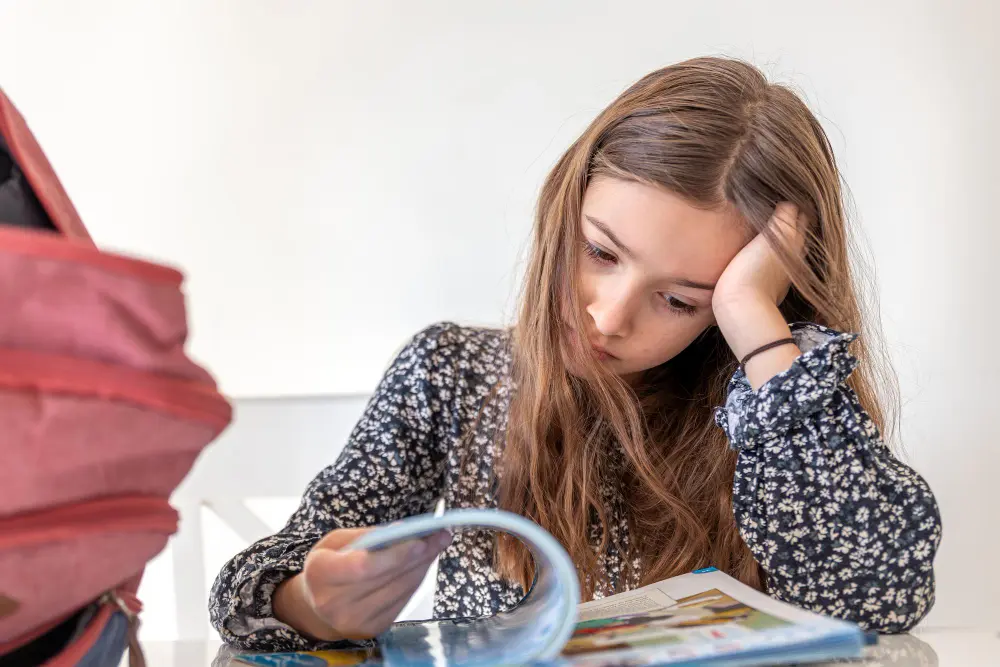
There are moments in the year when everything feels heavier for kids. School demands stack up. Routines tighten. Expectations increase. Transitions multiply. Even when nothing “bad” is happening, many children start to unravel.
Families may notice:
- Increased tears or irritability
- Emotional meltdowns that seem to come out of nowhere
- Clinginess or resistance to school or activities
- Homework avoidance
- More sibling conflict
- Physical and emotional exhaustion
This pattern isn’t limited to a particular month. It shows up anytime demands outpace a child’s capacity.
These moments are not behavioral problems. They are regulation warnings, and they are the best time to intervene.
1. The Hidden Load on a Child’s Brain
During high-demand seasons, children are often juggling:
- Academic pressure, including tests, projects, and sustained attention
- Social dynamics and peer expectations
- Schedule changes or increased activities
- Adult stress they can sense but not explain
- Reduced downtime and recovery
At the same time, common environmental shifts may occur:
- Less unstructured play
- Inconsistent sleep
- More time spent indoors or seated
- Fewer true breaks
All of this taxes executive function systems, especially emotional regulation, flexibility, stamina, and working memory.
2. Signs of Regulation Fatigue
When a child’s nervous system is overloaded, you may see:
- Big reactions to small frustrations
- Slower mornings and harder evenings
- Increased sensory sensitivity to noise, clothing, or touch
- Resistance on busy or demanding days
- More stomachaches, headaches, or vague “I feel off” complaints
- Heightened worry or reassurance-seeking
These behaviors are signals, not flaws. They indicate a child who needs more support, not more discipline.
3. How to Strengthen Regulation During Busy Periods
A. Protect Sleep First
Sleep is the foundation of regulation and executive function.
Helpful supports include:
- A consistent lights-out routine
- Slower evenings with reduced stimulation
- Avoiding emotionally heavy or performance-focused conversations at bedtime
Well-rested kids handle stress, transitions, and expectations far more effectively.
B. Reinforce Core Daily Routines
When life feels chaotic, routines calm the brain.
Returning to basics can stabilize regulation quickly:
- Morning checklist
- Predictable after-school decompression
- Clear homework routine
- Consistent bedtime sequence
Routine is not boring. It is regulating.
C. Build in Daily Movement
Movement is one of the most powerful regulation tools.
Even short bursts help:
- Walks or active play
- Stretching or yoga
- Indoor movement breaks
- Physical resets between tasks
Movement supports mood, attention, and emotional control.
D. Reduce Demands Where You Can
During high-stress periods, capacity matters more than productivity.
Support regulation by:
- Scaling back optional commitments
- Protecting at least one low-demand day each week
- Letting some things be “good enough”
Reducing the load now prevents burnout later.
E. Preview What’s Coming
Uncertainty increases anxiety and dysregulation.
Previewing helps children feel grounded by explaining:
- What the next few days will look like
- What might feel different
- What routines will stay the same
Predictability creates emotional safety.
4. Normalize the Experience
Children regulate best when their experience is understood.
Helpful messages include:
- “A lot of people feel more tired when things get busy.”
- “It makes sense that your body needs more rest right now.”
- “Your feelings aren’t too much.”
Regulation grows in an environment of emotional safety.
Conclusion: Stress Signals Are Opportunities
Periods of increased stress are not failures. They are feedback. They tell us when a child’s executive function systems need reinforcement, not pressure.
By responding early with sleep protection, predictable routines, movement, reduced demands, and emotional validation, families can help children regain balance before burnout sets in.
Supporting regulation now builds resilience for whatever comes next, any time of year.